Proposal vs Quote vs Estimate vs Invoice: What Is the Difference?
Freelancers hear four words used almost interchangeably: proposal, quote, estimate, and invoice. Clients use them loosely too, so a request for "a quote" might really mean a full proposal, and an "estimate" might be treated as a promise.
They are different documents with different jobs. Knowing which one a client needs saves time and prevents misunderstandings about price.
This is general information, not legal advice. The legal weight of each document varies by country and by what you write in it. For large projects, have a lawyer review your standard documents.
The short version
| Document | Main job | When it is used | Does it commit you to a price? |
|---|---|---|---|
| Proposal | Win the work | Before the client decides to hire you | Yes, once the client accepts it |
| Quote | State a firm price | When the client already knows what they want | Yes, for the stated scope and time |
| Estimate | Give a rough range | Early on, or when scope is uncertain | No, it is a best guess |
| Invoice | Request payment | When money is due | It records an amount already agreed |
Proposal
A proposal is a persuasive document that shows you understand the client's problem and have a plan to solve it. It includes a summary of the goal, the approach, the scope, the timeline, the price, and the terms.
Use it when the client is still deciding whether to hire you, or the project needs explaining. It is the most complete of the four, and it often includes a quote inside it.
For how to write one, see how to write a freelance proposal that actually gets signed.
Quote
A quote is a firm price for a defined piece of work. It is shorter than a proposal and does not try to persuade. It says what you will do, for how much, and how long the price is valid.
Use it when the client already knows what they want and mainly needs a number, such as a repeat customer asking for the same service. Because it is firm, be specific about what it covers, and put an expiry date on it.
Estimate
An estimate is an approximate price based on what you know so far. It might be a range, such as "$4,000 to $6,000", with the factors that affect where in the range the final price lands.
Use it when the scope is not yet clear, such as an early conversation or a project that needs discovery first. Label it clearly as an estimate and say what could change it.
The risk is that clients treat estimates as quotes. If you give a rough number on a call, follow up in writing with the assumptions behind it. A line such as "this estimate assumes five pages and two rounds of revisions" prevents most disputes.
Some places and industries use "estimate" and "quote" the other way round, so say in the document itself whether the price is fixed.
Invoice
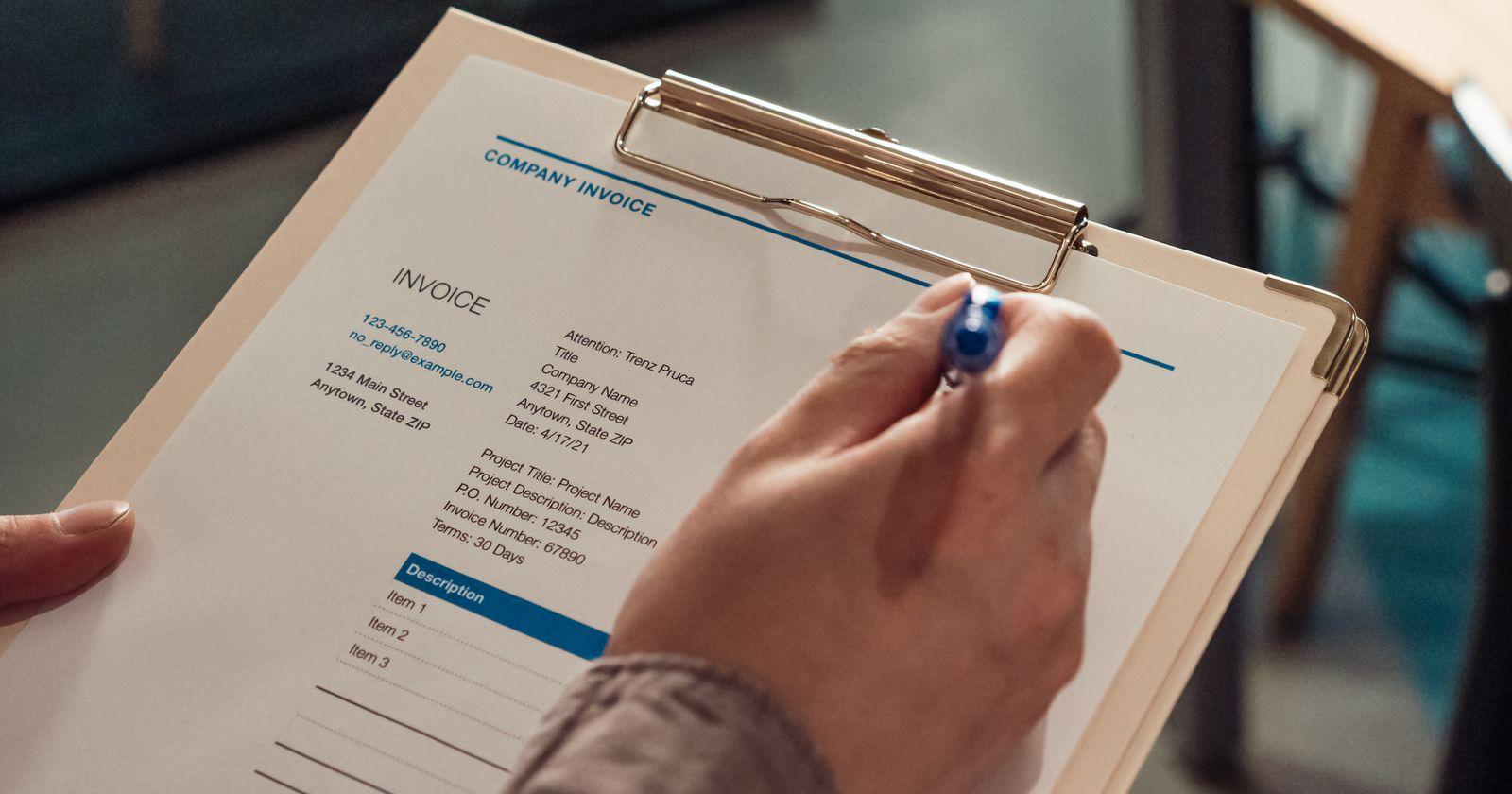
An invoice is a request for payment. It states what was delivered, the amount due, the due date, and how to pay. It is a financial document, usually created after the client has agreed to the work.
Use it when money is due: a deposit, a milestone, or a final balance. An invoice does not win work, and it should not contain new terms. It records what was already agreed.
Invoices also serve as your bookkeeping record, so keep them numbered and consistent.
How they fit together
For a typical project, the order looks like this:
- Estimate, if the client asks for a rough idea early.
- Proposal, with a firm price, scope, and terms, once the project is clear.
- Acceptance and deposit, when the client signs and pays.
- Invoices, for milestones and the final balance.
A quote can replace the proposal for simple, repeat work.
Each step should agree with the one before. If the proposal says 50 percent on acceptance and 50 percent on delivery, the invoices should match it exactly.
Common mistakes
- Sending an estimate that reads like a quote. Say what is fixed and what is not.
- Sending a quote when the client needs convincing. If they have not yet decided to hire you, a proposal does more.
- Leaving the price out of the proposal. A proposal without a number is just an introduction.
- Changing terms on the invoice. The invoice should repeat the agreed terms, not add new ones.
- Sending a separate invoice for the deposit days after acceptance. The delay is where deals cool. Collect the deposit when the client accepts.
Where a tool fits
You can write all four in a document or a spreadsheet, but the handoffs between them are where time and money leak: re-typing figures, chasing a signature, then chasing a payment.
Draftedly covers the first half. You write the proposal with scope, price, and terms, your client signs it, and pays the deposit or first milestone on the same page. It is not an accounting or invoicing tool, so keep using your bookkeeping software for invoices and records.
If you are choosing a tool, our comparisons show how proposal tools differ from larger suites: Draftedly vs HoneyBook and Draftedly vs Dubsado.
A quick way to choose
- Client is deciding whether to hire you: proposal.
- Client knows what they want and needs a firm price: quote.
- Scope is unclear and you need to give a ballpark: estimate, clearly labelled.
- Money is due for work already agreed: invoice.
The free plan on Draftedly includes 10 sent proposals with payments, so you can try the proposal and deposit step on a real project. Our freelance proposal template shows what to put in it.
Ready to send proposals that get signed?
Start free with 10 proposals. No credit card required.
Start for free